
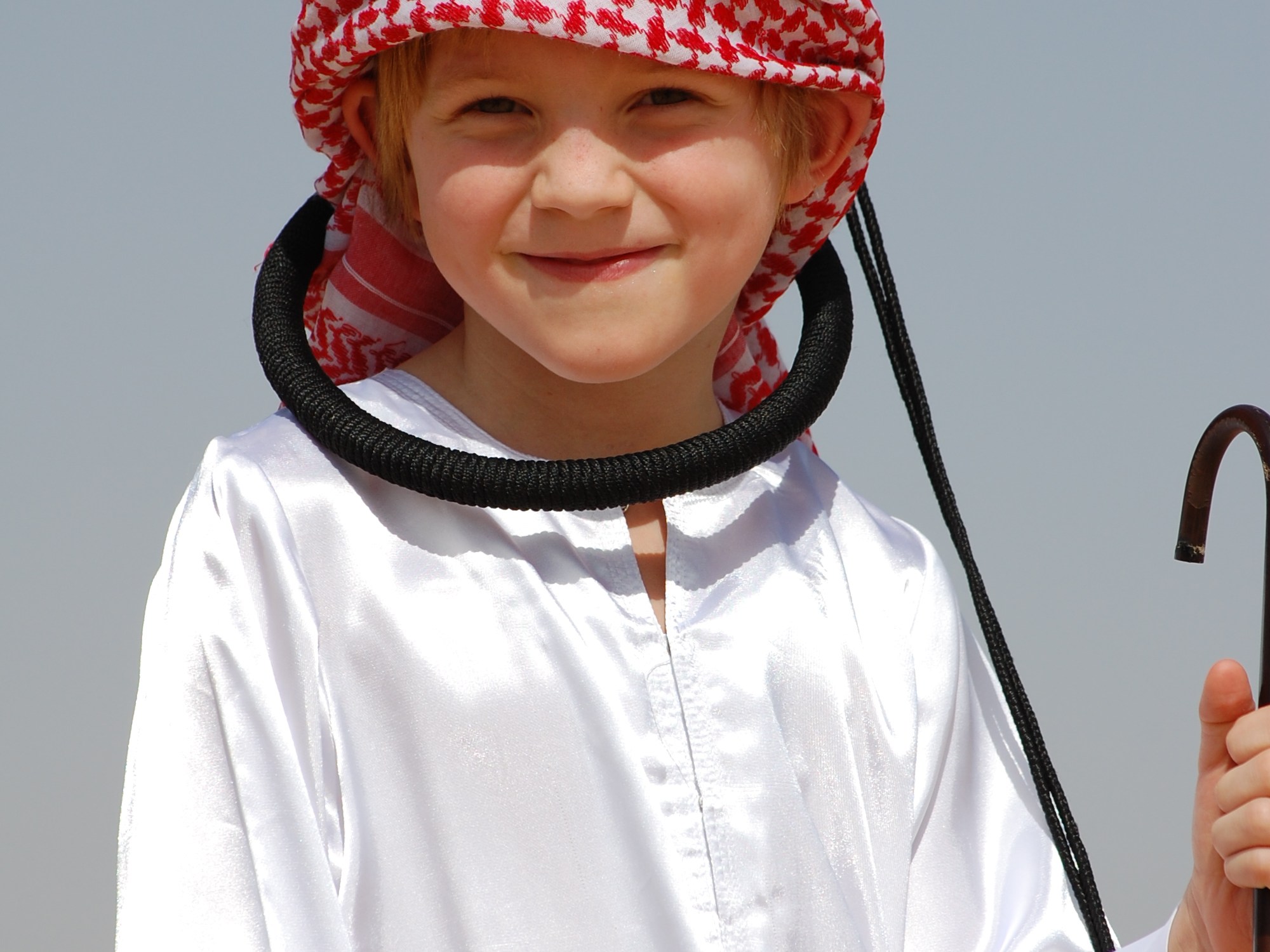
Photo by Holly Webb
After researching street photography and candid photography – I found that a number of the projects that I was inspired my were street/candid photography focusing on one person. (For example, Pete Souza‘s work with Obama, and photographer Mimi Mollica’s work with his daughter).
Therefore, I wanted to also research documentary portraiture – as I would love my project to ideally be a mix of the two photography genres, if it’s possible.
While I am trying to get ideas for my project, I am going to look deeper into documentary portraiture to see if researching will give me some inspiration.
To read my previous research on street/candid photojournalism, click here.
DOCUMENTARY PORTRAITURE
Type: Documentary Photojournalism
Photographer Lewis Bush said that documentary portraiture was “spending time out in the world, photographing people in their environments”.
It’s about telling stories through photographs, and getting to the heart of what makes people who they are. Documentary portraiture explores diversity, and the excitement and challenges of everyday life – I think that is so so cool.
Because it’s about people in particular, portraiture is a fundamental part of documentary – whether it’s documentary photography or videography.
Documentary photography is a style of photography that provides a straightforward and accurate representation of people, places, objects and events.
HISTORY:
Until the mid-20th century, documentary photography was a vital way of bearing witness to the world’s events.
From shoot-from-the-hip photographs of the Spanish Civil War by Robert Capa (including the famous ‘Falling Soldier‘) to the considered portraits of poor farmers by Dorothea Lange.
During this period the tradition of documentary photography was reinvented. Artists began to see the camera as a tool for social change, using it to shed light on injustice, inequality and the sidelined aspects of society. However, social documentary photography is often a subjective art and not all photographers in this category intend their images to aid the bettering of society.
However, some artists’ goals are to raise awareness and to encourage social change. (See the examples below)
One such example is the work of Don McCullin, whose war photography is seen as revolutionary because of how it shocked people. It’s argued that the visuals of his raw and brutal photography raised awareness in what was happening elsewhere in the world in a way that no other type of news media could.
MAIN CHARACTERISTICS OF DOCUMENTARY PORTRAITURE:
Documentary photography can be of many different subjects – however documentary portraiture focuses on people specifically.
Like Bush said, it is a way of representing different cultures and environments in the world through the stories of people being photographed – the subject.
WELL-KNOWN DOCUMENTARY PORTRAITURE PHOTOGRAPHERS:
Steve McCurry was an obvious artist to include when talking about documentary portraiture. He is the photographer credited for the world-famous portrait ‘Afghan Girl‘. He photographs in many different genres, however from looking at all his work he is most talented at portraiture photography in my opinion.
He started photography in 1970s after developing an interest in photography when working for his college newspaper.
A lot of his work is centred around war-torn countries, focussing on the toll that war takes on humans.
I flicked through a lot of his portraiture work on his website and picked out a couple of my favourites:
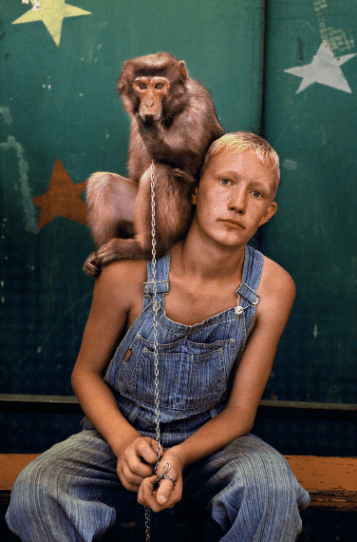
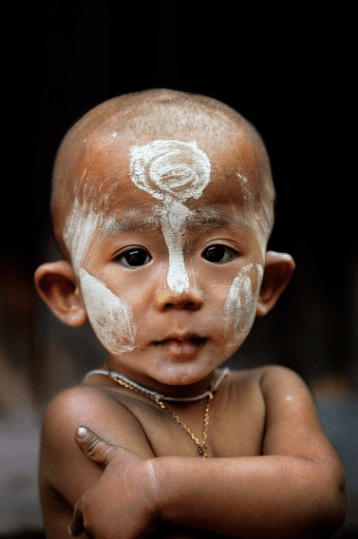
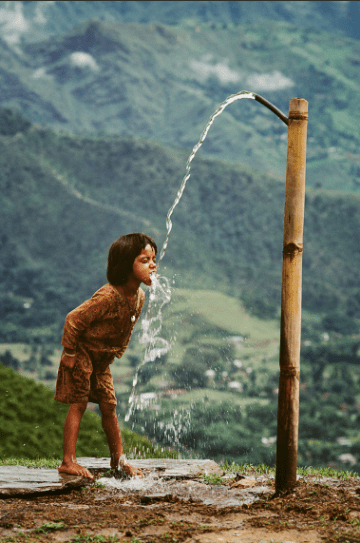
I really admire McCurry’s work as his photos are all so striking. It was rather hard to pick out only a couple of my favourites.
One of the main things that I like is how although his portraits are always focussed closely on one of two people – they are not all the same. They’re actually quite different to each other.
For example, the three that I picked out are all very different in themselves. The second is a classic portraiture shot – a close up of the face, having the emotion or expression as the main subject of the photo. The first isn’t as close, however the pose and set-up is still very portraiture-esque and the third is further away. The third photo in Nepal could almost be classed as candid photography. However, the focus on one person makes it relevant to portraiture photography, especially as the photo is seen to tell a story relating to the subject – their way of life or the struggles they are faced with day-to-day.
I also like how emotion and expression is such a big part of his photography. He doesn’t always include the stories behind the photos – however I sometimes feel that they’re not always necessary due to the emotion expressed in the photos. For example, the ‘Afghan Girl’ story is not known by a lot of people – her face however is world famous. You can see the pain and hardship she has been through without knowing the story behind the photo and a lot of McCurry’s work is the same.
Eric Lafforgue is another talented photographer that caught my attention when looking through a lot of portfolios and work.
Lafforgue started posting his photos online in 2006 and was soon discovered by magazines.
It says on his website: ‘with a humanist approach, Eric Lafforgue offers in his pictures and travel stories a positive and benevolent gaze of the countries he visits, often unknown by the public.’
This inspires me greatly with ideas that I would be passionate about for my own project.
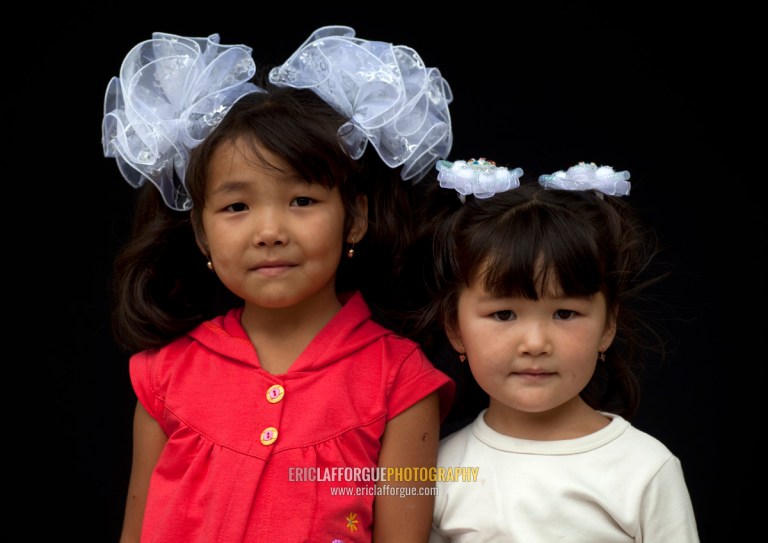
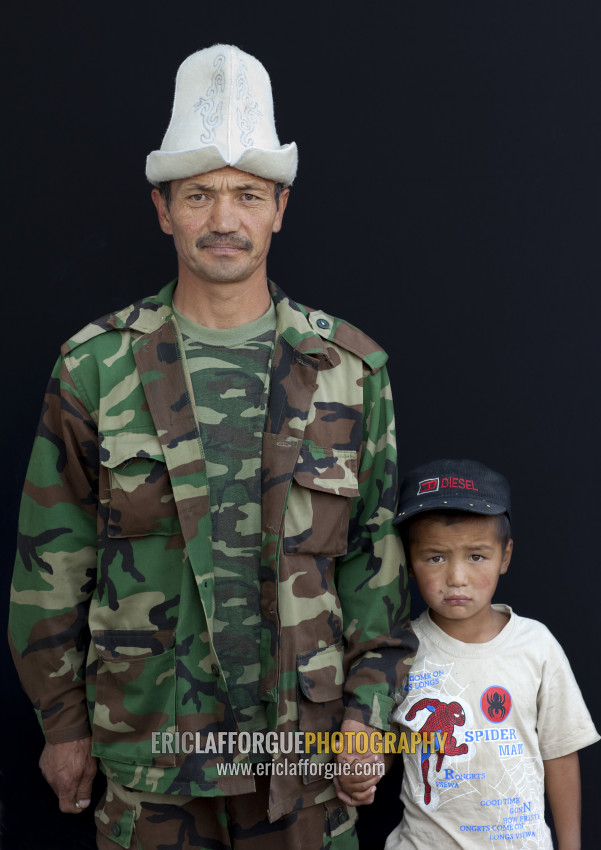
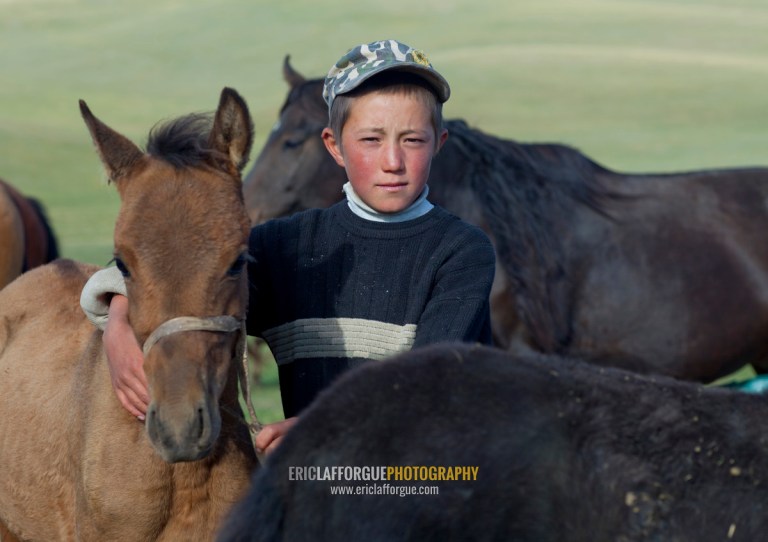
Something that I admire so much about both Lafforgue and McCurry’s work is that they both are so well travelled and take photos all over the world. Not only do they travel to lots of different countries but they also both focus on countries that are either out of the media or are war-torn and in trouble at the time.
Another aspect of Lafforgue’s work that I love is the way that his website and his portfolio is presented. On his website his photos are sorted by country. So when you click on a particular country, you can see all the work he has done in that country – in this case I chose Kyrgyzstan – a country that I did not know much about, and one that I hadn’t seen work from before.
As you flip through the pictures – portraits and landscapes – it creates an overall feel to the country. Although the portraits are based on very different people it lets you have a taste of the cultures and overall atmosphere of the place. As you can see from some of the photos above, the portraits are all stunning and are all pieces in the puzzle that is Kyrgyzstan as one country.
He tells an overall story through a series of intimate portraits – I love this idea. Hopefully I will be able to use this in my own project.
Lisa Kristine is an International humanitarian photographer specializing in indigenous peoples and social causes. Through her work, Lisa wishes to spread the beauty, diversity and hardship of our world.
On her website is says that she ‘aims to enhance her viewer’s awareness and engage them in a visual journey that is also a questioning of our existence.’
For more than thirty years, Kristine has explored the globe, looking for the peoples, cultures and places that time forgot, creating unforgettable images. She brings the distant and the ancient and the rare into clearer focus. Best known for her evocative and saturated use of color, her fine art prints are among the most sought after and collected in her field.
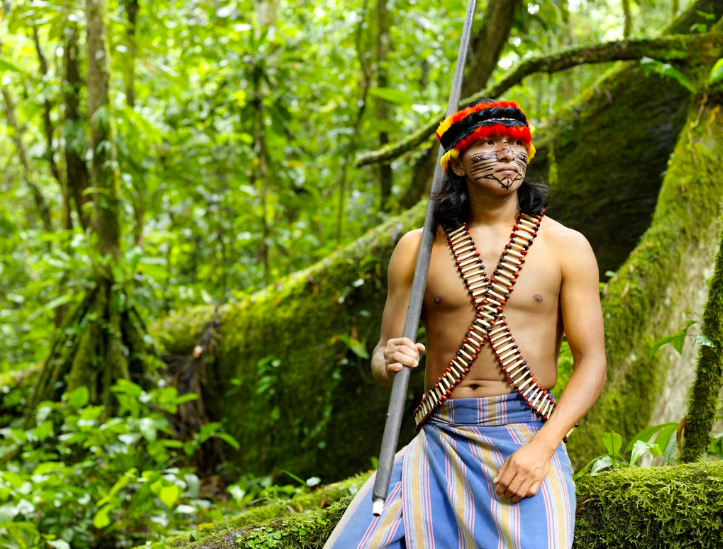
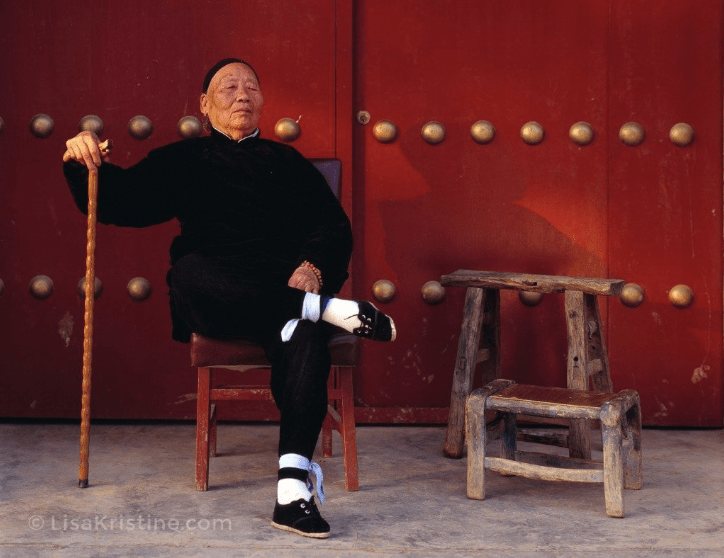
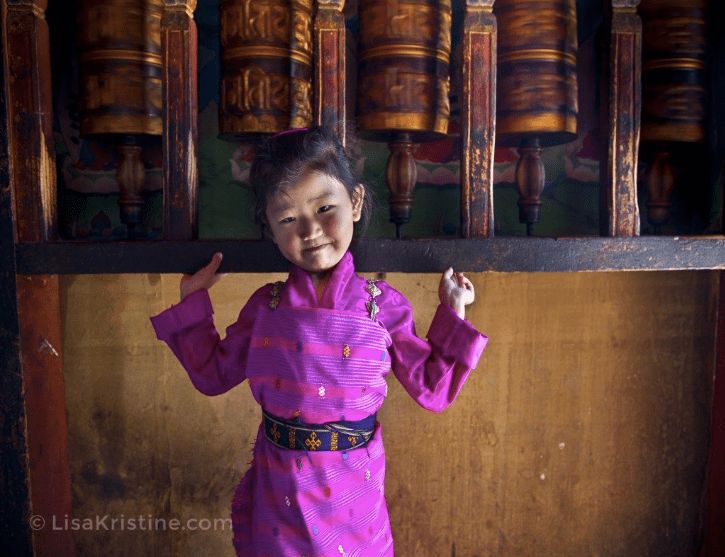
Another aspect of Kristine’s work is how she uses high saturation in her coloured images. I found that a lot of portraiture work was in black and white. While this can be effective and aesthetically pleasing, I liked how Kristine’s images stuck out for this saturation reason. Something else to think about when deciding what I will be doing my project on.
MY PROJECT:
Researching documentary portraiture photography has inspired me with more ideas that I could do for my project. For example, looking at the artists above has inspired me to perhaps focus on a group of people that are lesser known to the public. I liked how in Eric Lafforgue’s work, a series of photographs and portraits all came together to show the overall story of one group of people or area.
Another idea that I have now thought of is experimenting with colours. I always thought about black and white effects being used for portraiture photography, however now seeing the work of Steve McCurry and Lisa Kristine, I am more open to experimenting with higher saturation – depending on the mood I am trying to portray from my photos.
To get similar results to those I researched, I think I will have to practice a lot until I am more comfortable with firstly, shooting people, and secondly, shooting people so close and asking them personal questions about their lives.
I look forward to the next few weeks as I am now even more inspired for my project.
If I have learnt anything from researching both documentary portraiture and candid photography – it is that the more research I do and the more work I look at, the more I am inspired and excited by the opportunities and creativity I can explore with this project.
Over the next few weeks I will be sure to collate some ideas together so that I can soon settle on an idea for my project and start practising the shots.
I want to look at more artists work, perhaps in more detail so that I can try and inspire myself as much as possible.
To read my research into candid and street photography, click here.
 webbphoto
4 thoughts on “Documentary Portraiture Research”