
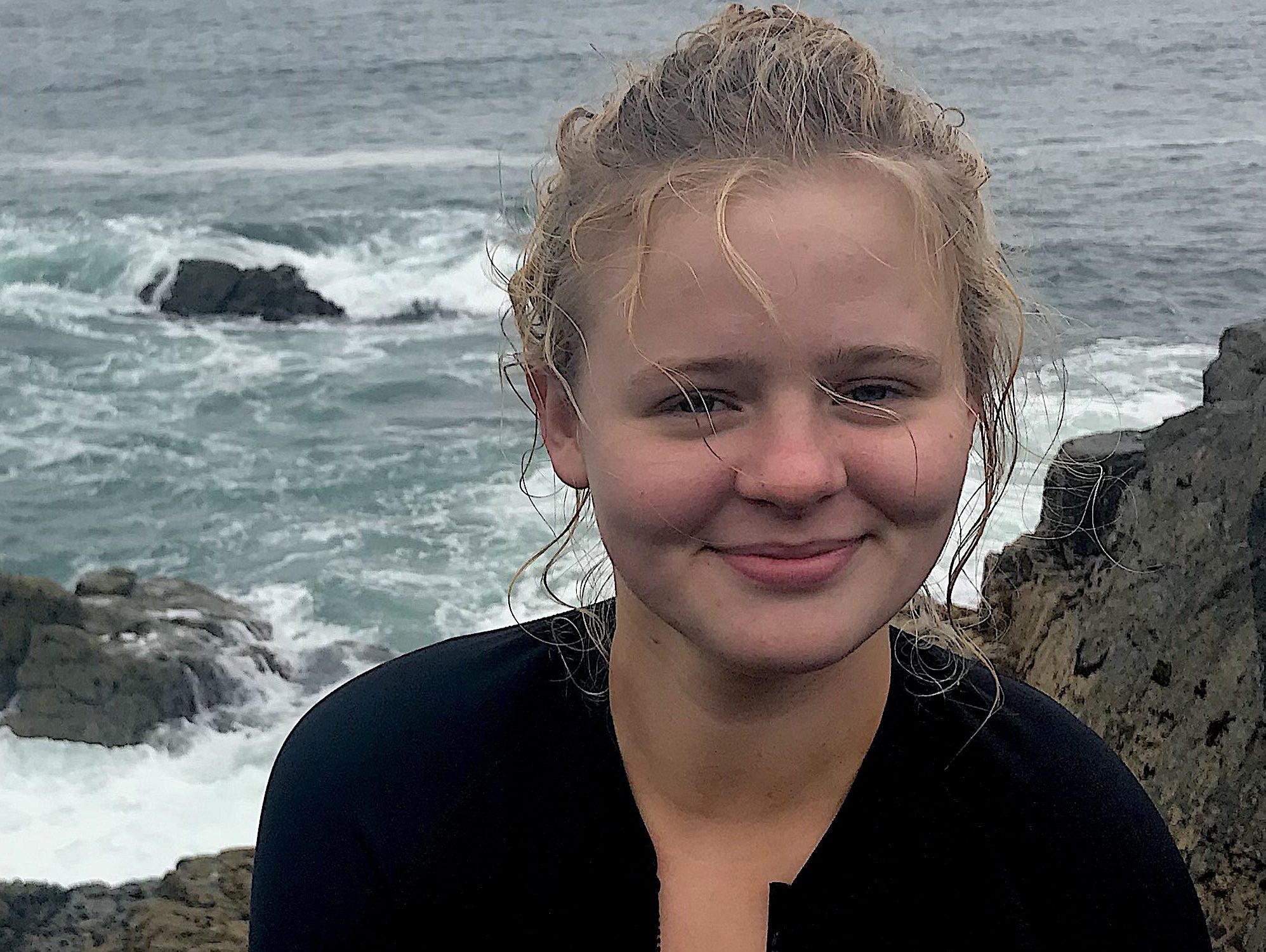
Photo by Holly Webb
Over the last week I have been researching different types of photojournalism to try and inspire myself for my own project.
I have researched street and candid photography (click here) and documentary portraiture (click here). Both of these photojournalism genres have inspired me a lot as I LOVE the work I have looked at.
One such artist I briefly looked into was the work of Mihaela Noroc. She is a Romanian photographer who has an ongoing project called the Atlas of Beauty.
The Atlas of Beauty is a mix of both street photography and documentary portraiture, so I thought I would research more into her work to try and gain more inspiration, as well as learn and analyse her techniques and skills.
I thought that doing this would inspire ideas for my own project, and that I could even utilise some of the same techniques as her:
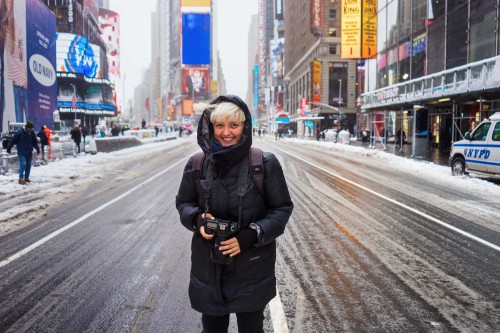
Mihaela Noroc
Born: 18th May 1985
Nationality: Romanian
She studied in the photo-video department at The National University of Arts in Bucharest.
In 2012, Mihaela decided to focus solely on photography.
Her most famous work is an ongoing project Atlas of Beauty where she photographs women from around the world. In the four years since its birth, she has already documented the faces and stories of thousands of women.
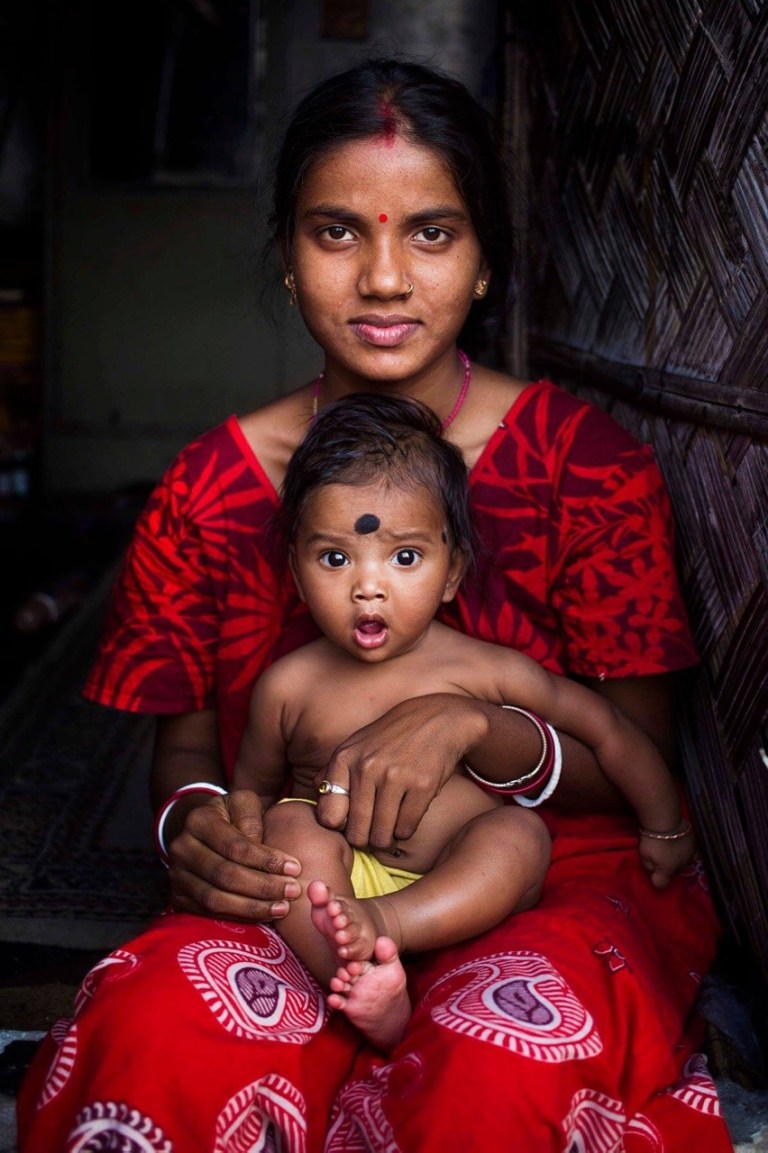
She said that a trip to Ethiopia inspired her to start AoB, after she met so many ‘incredible feminine faces’. She then took a 15-month trip around the world, capturing the diversity of the planet through her portraiture photography.
She believes that ‘beauty is everywhere and does not depend on money, trends or races’. Mihaela has said that she wants to show that ‘our differences make us truly beautiful and that it is essential for us to hold on to our uniqueness and specificity’ in a world of globalization that can become monotonous.
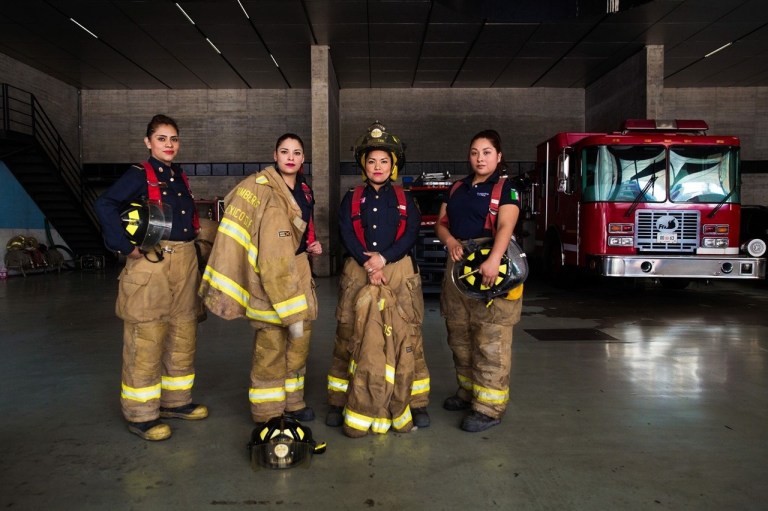
Her unique approach has attracted the attention of the world’s greatest publications and her images have been seen by over a hundred million people.
AoB has become the most media featured Romanian art project, and Mihaela hopes that this will help her receive funding to continue it.
Her work has now been printed in the Atlas of Beauty book.
Some of my favourite shots:
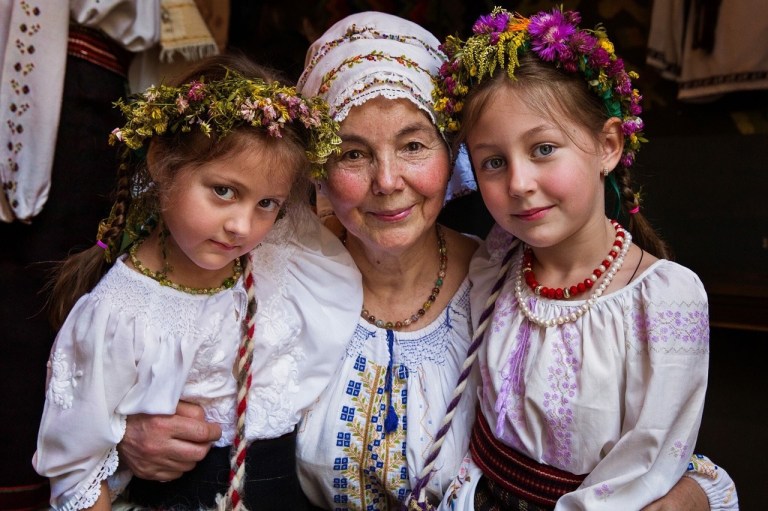
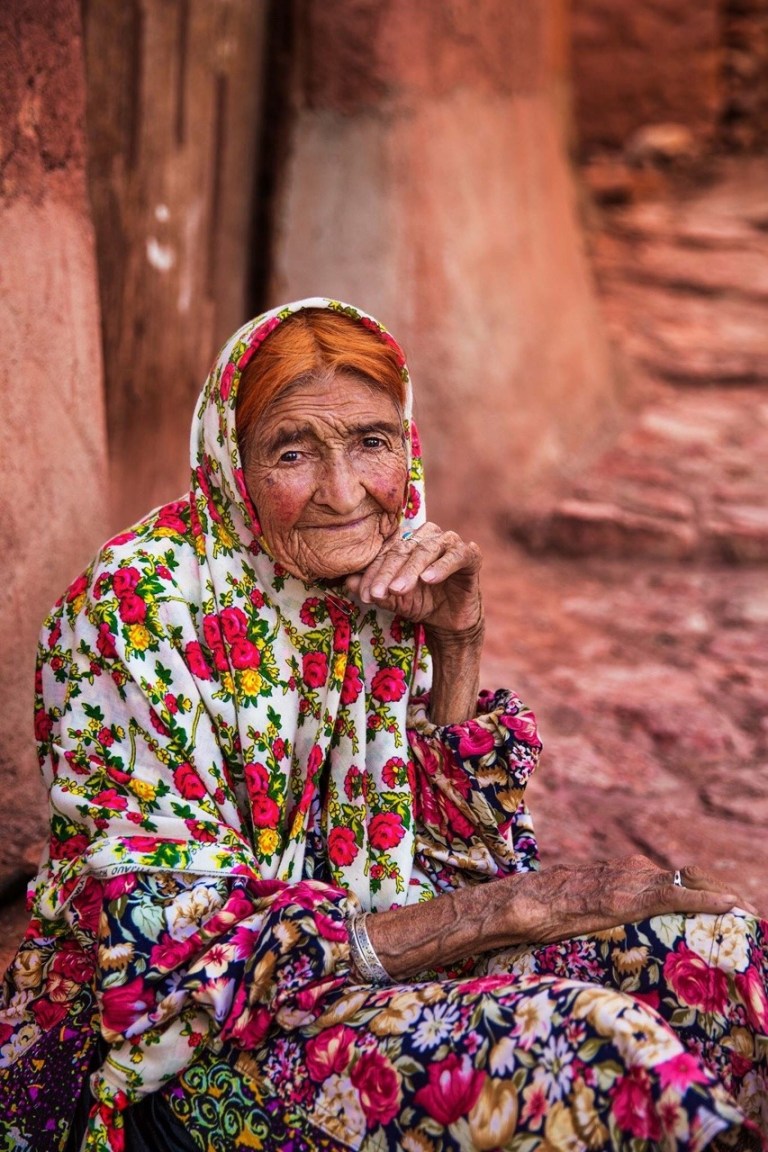
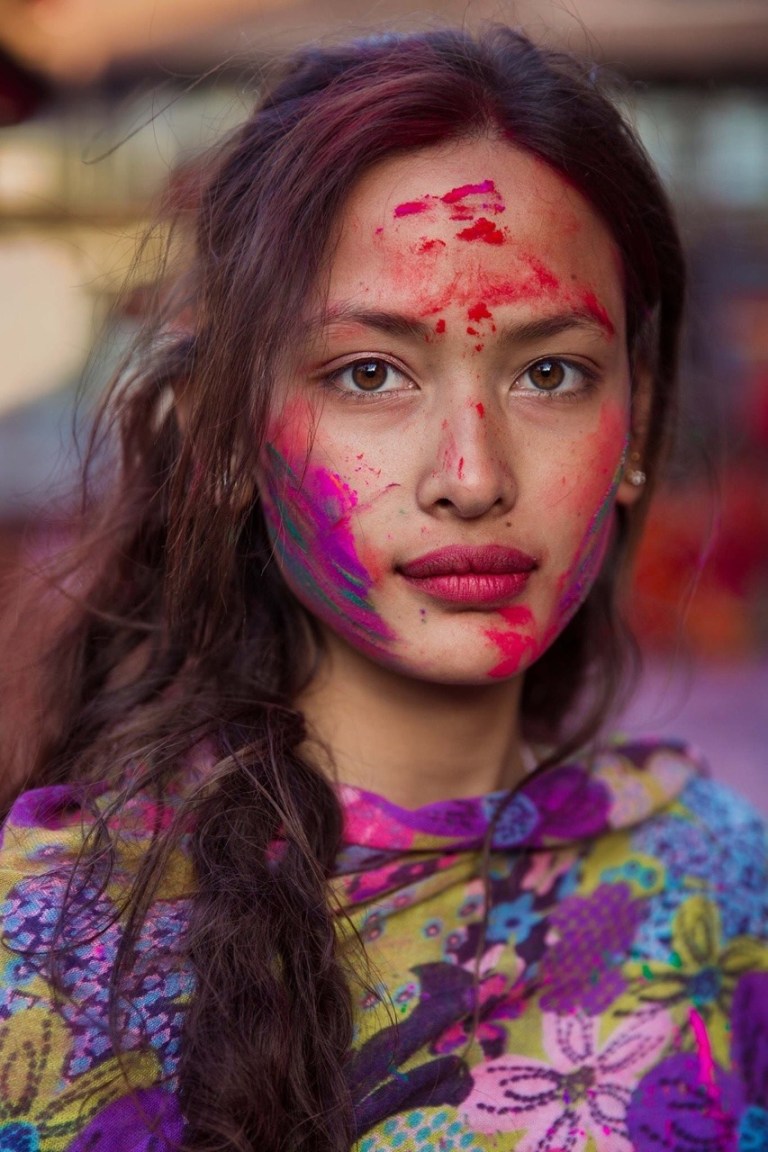
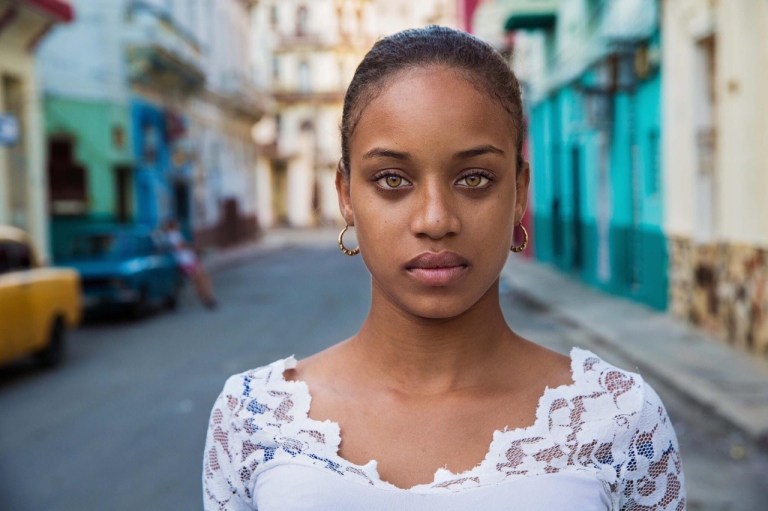
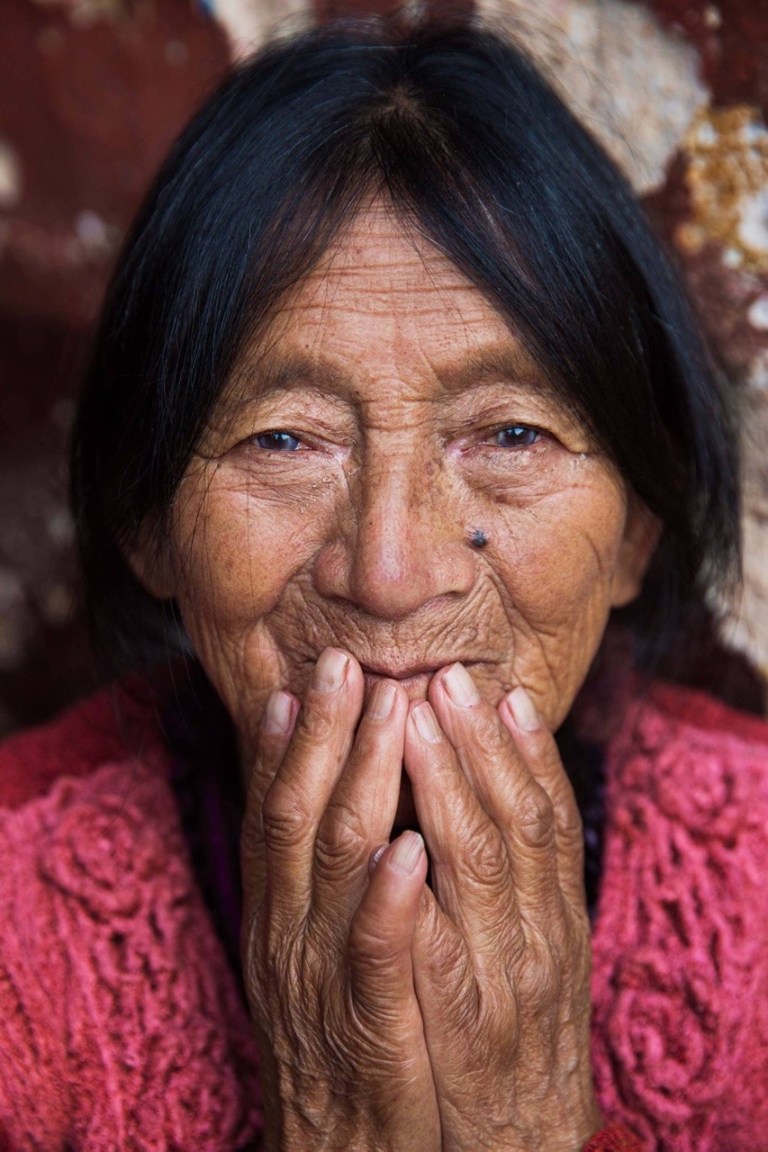
Her style:
- high saturation
- mix of close-up and further-away shots (however, usually close and focus on the faces)
- mix of solo portraits and multiple people (however, usually on one person)
- mix of long stories and short quotes to accompany the photos (I particularly like this as some stories only need a line or two of writing with it to be impactful, however I like how some of the photos mean so much more once the background to the image is told)
What I like:
- her focus is broad yet singular (it is focused on women, however covers the entire world) which means that there is an overall theme but it shows the similarities that can be found all over the world (i love this idea)
- her portraits are themed with high saturation – they were all taken on different days and in different places but look cohesive together
- her mix of short and long written pieces to accompany the pictures are all relative to the photos themselves: some only need a short quote to be impactful, whereas some photos mean so much more to the reader once the whole story behind them is told
Inspiration for my own project:
- I am thinking of doing a similar idea with a smaller place (so instead of the world, the city of Leeds) – I am inspired by how she has shown similarity and cohesiveness across a large space, showing that people are not that different to one another. I would love to do a similar idea on a smaller scale, perhaps focussing on a group of people in a community or different women in a community
- her post-production editing means that all the photos match and follow a theme, I will probably use a similar technique in order for there to be a sense of cohesiveness and structure. I think that even if my photos are set in different places on different days, post-production editing can really help to create structure and tell my story more clearly
- I definitely want to include a similar style to her written words, by including some long chunks of text, and some images that have only a line or two to accompany them. I also like how her written word is a mixture of quotes from people she has interviewed, and her own words describing the person or scene
 webbphoto
6 thoughts on “Inspiration: Mihaela Noroc”