
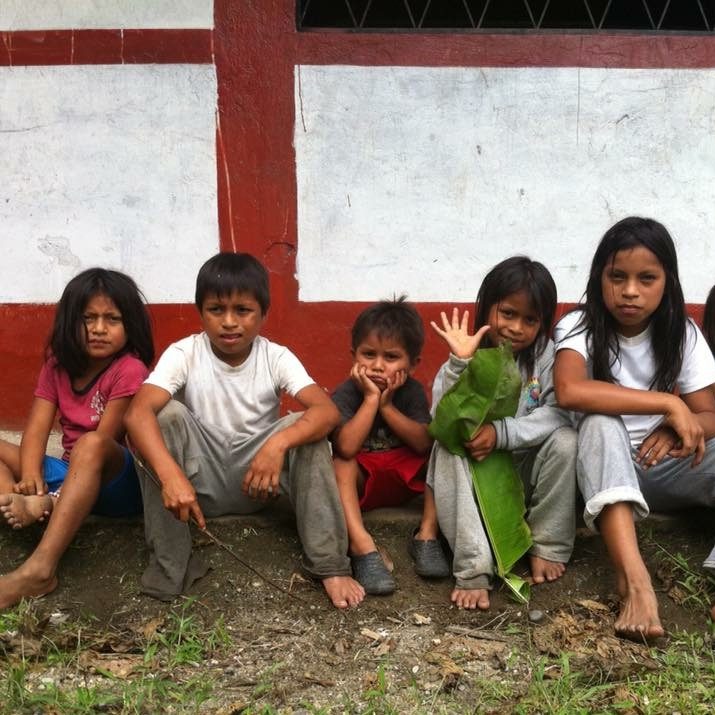
Photo by Holly Webb
In the third session we started to look at the different types of photojournalism – to see my post on what I learnt click here.
This was very useful as it opened my eyes to which fields of photojournalism I was interested in, and which I wasn’t.
I mentioned in my last post that when researching to find examples of the different types of photojournalism, I found some projects that I was very passionate about – to me, they were interesting and hard-hitting. These were usually the projects and portfolios focussing on PEOPLE.
Because of this, I now know that I definitely want my project to focus on this too.
I really liked looking into documentary journalism, and would like to focus my project on this – however I am undecided on what type of story to do. I liked the social photography, as well as the street/candid stories and the documentary portraiture projects, so I am rather undecided.
To help me decide on my chosen topic, and to hopefully provide inspiration I am going to further research these types of photojournalism.
Starting with street/candid photojournalism:
STREET/CANDID PHOTOJOURNALISM
Type: Documentary Photojournalism
Street photography is a photograph captured in a public setting – it does not necessarily have to be on an urban street, however this is common. A candid photograph is a photograph captured without creating a posed appearance.
Although there is a difference between street photography and candid photography, there are notable overlaps. Street photography is quite often candid in nature (however, doesn’t have to be) and candid photography can usually be classed as street photography if it is taken in a public place.
Street and candid photographers are arguably very similar to social documentary photographers – observing and recording the lives of people in society.
HISTORY:
Although ‘the streets’ have been inspiring artists and photographers for decades, an emergence of portable cameras enabled street and candid photography to really take off in the 1970s.
However, before this boom of street and candid photography there were a number of early pioneers.
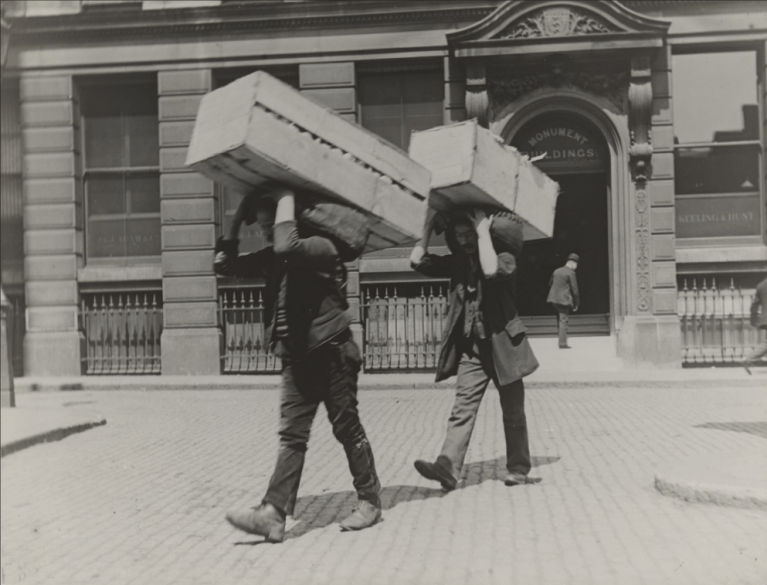
Paul Martin is considered one pioneer of street photography, making candid photos of people in London and at the seaside in the late 19th and early 20th century. He was also the first recorded photographer to use a disguised camera in London.
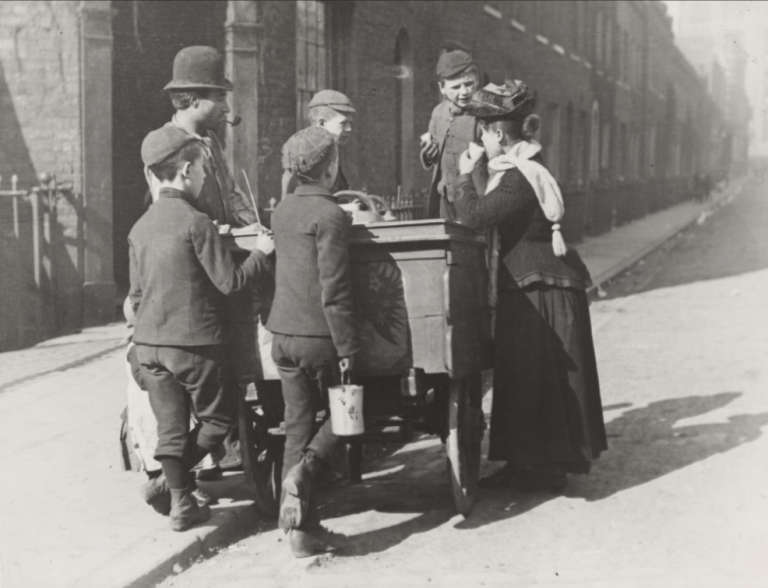
He had an eye for the ‘anecdotal genre’. Usually photographing everyday exchanges between his subjects.
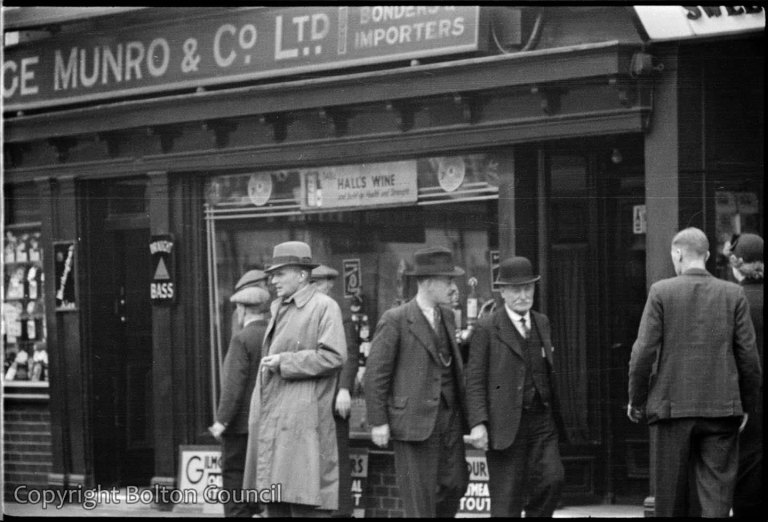
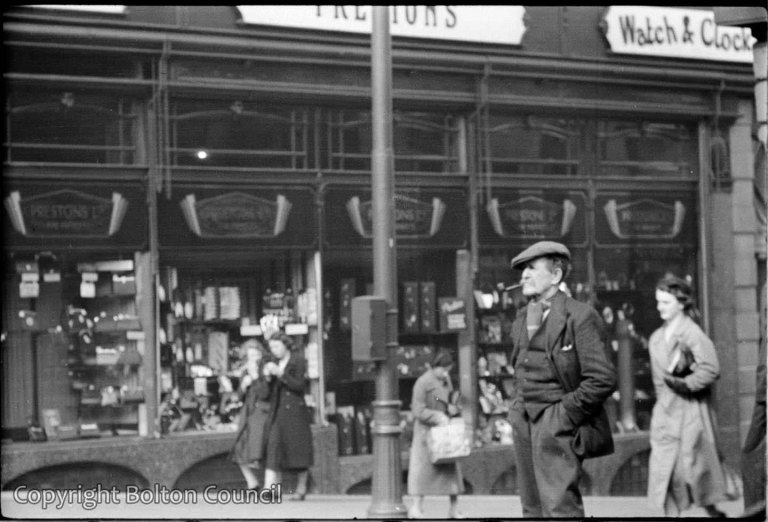
Another photographer who is considered a pioneer of street photography in the UK is Humphrey Spender. He became a member of the Mass Observation movement – taking pictures of daily life in working-class communities. Spender’s most famous work was his photos on the streets of Bolton.
MAIN CHARACTERISTICS OF STREET/CANDID PHOTOGRAPHY:
As said before, street and candid photography are not technically the same, however possess many of the same traits. With this is mind, these are some characteristic overlaps:
- USUALLY in public
- can include chance encounters and random incidents
- commonly features people, or some human representation (for example, in an urban environment)
- framing and timing are key aspects of the craft, with photographers sometimes waiting long periods of time to get the perfect shot (see examples below)
It is sometimes argued that candid photography is the purest form of photojournalism. A lot of photojournalism often sets out to tell a story in images, whereas candid photography simply captures people living an event.
WELL-KNOWN STREET/CANDID PHOTOGRAPHERS:
Started street photography in the 1950s.
Essentially a New York photographer, and known for his depiction of life, society and social issues of America in the mid-20th century.
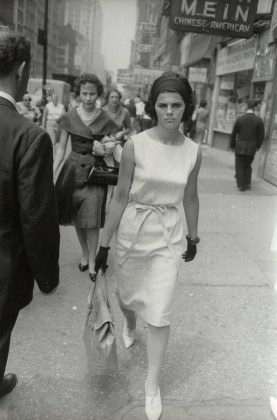
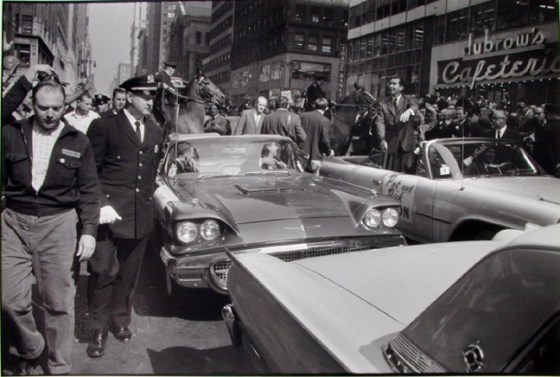
Director of Photography as New York’s Museum of Modern Art has regularly regard Winogrand as the ‘central photographer’ of his generation.
I like Winogrand’s work as I think it encapsulates the true essence of both street photography, and candid photography. He truly depicts what life was like in the sixties in America – both good and bad.
Started photography in the 1960s.
Elliott Erwitt is largely famous for his work that depicts black and white candid photos of ironic and absurd situations within everyday settings. He has been a Member of Magnum Photos since 1954.
Some of my favourites of his work include:
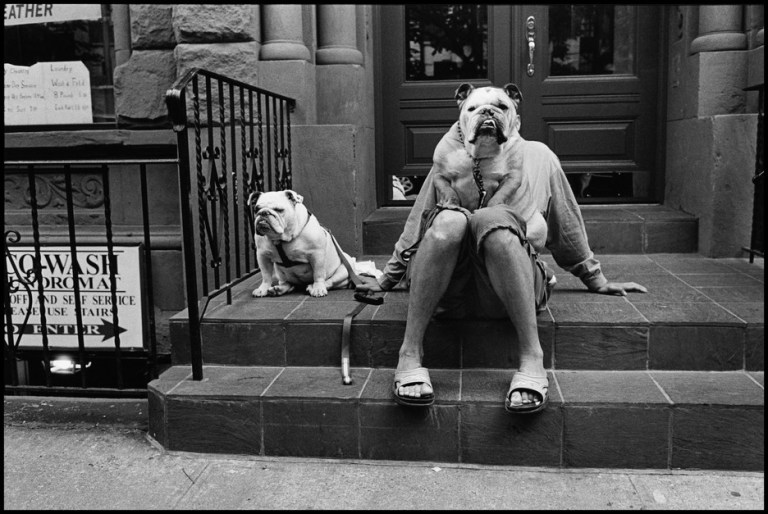
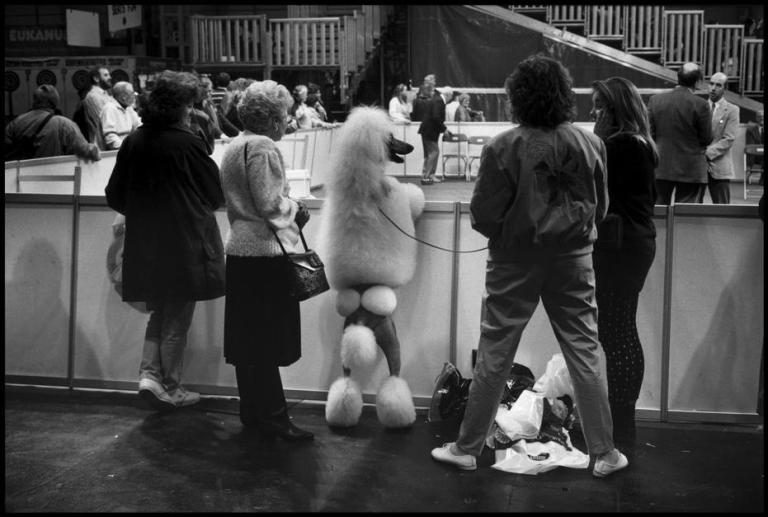
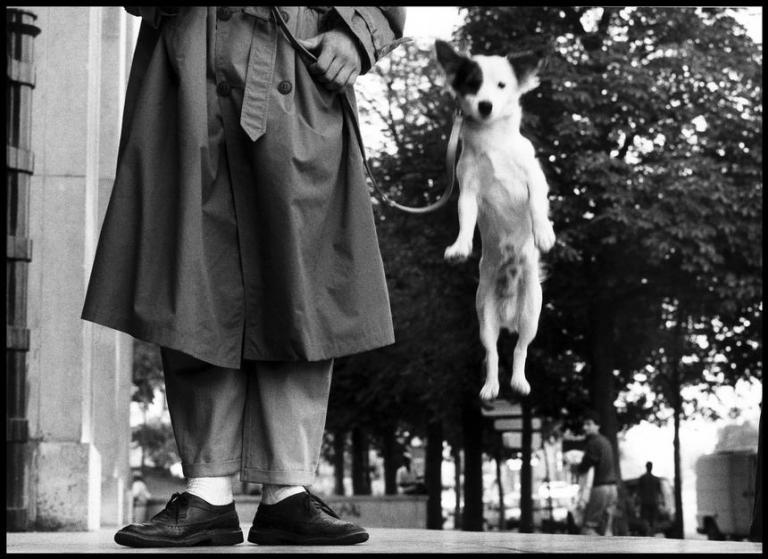
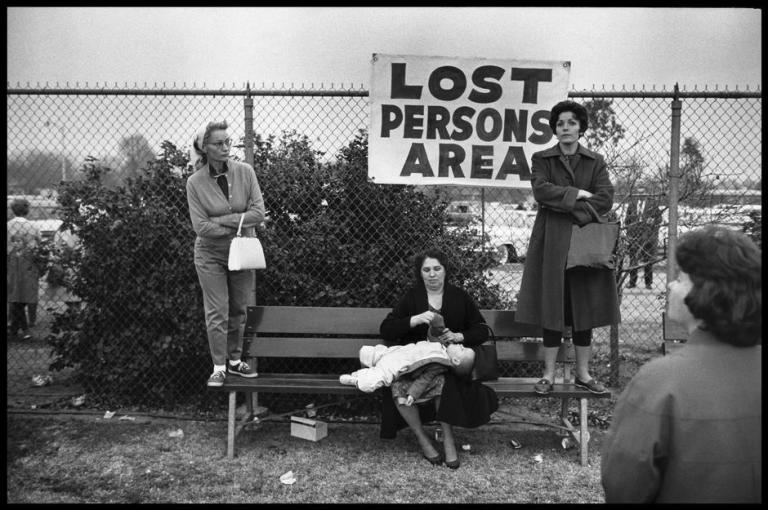
Erwitt is famous for all his street and candid photography – but his most famous work are usually the candid shots where the timing is so perfect they appear to be set up or photoshopped. A lot of his work was also centered around dogs (as seen above).
I do like Erwitt’s work – I feel as though he had a real passionate for the art which led him to spend hours and hours to possibly get the perfect shot. Timing seems like a big part of his best shots, something I admire greatly.
Pete Souza is an American photojournalist, and his portfolio is definitely my favourite. He is the former Chief Official White House Photographer for US Presidents Ronald Reagan and Barack Obama.
He started photography in 1970s after graduating with a Master’s degree in Journalism and Mass Communication.
Before I started researching candid photography, I was already a fan of his work – however, now that I have looked deeper into particular images, it’s possible that his work inspires me even more.
I have one of his books – Obama: an intimate portrait – and I find it so interesting to read and flick through. In the book, Souza says how throughout the presidency he probably spent more time with Obama than anyone else. I find this so intriguing and inspiring, as it makes me believe that many of his shots will have been truly candid because of this. Despite Obama being aware of his presence, Souza said that there were many times that Obama forget he was there at all – meaning that a lot of Souza’s photos show what Obama was really like: as a father, friend and president.
Souza’s work is unique in the sense that his photography is not usually in a public place, so while it is classed as candid photography, the vast majority doesn’t overlap into street photography.
Some of my favourite shots of Souza’s:
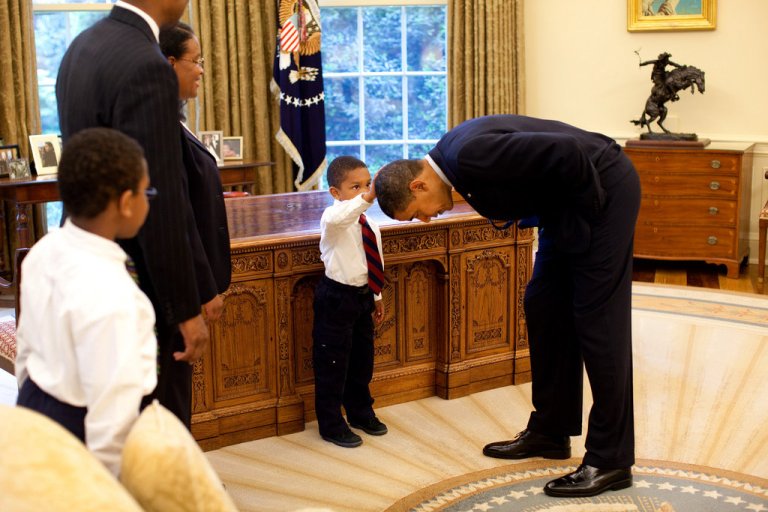
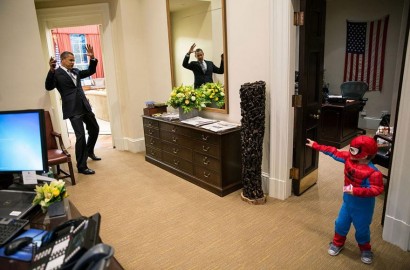
This photo is one of my favourites, however I find that people tend to respond to the picture even better once they know the story behind it.
The young boy as Jacob Philadelphia – his father was a former Marine, and had served two years on the National Security Council. As he was leaving the White House, he asked for a family photograph with Mr. Obama “as many departing staff members often do”.
The young boy asked the President if his hair was just like his, and – to the surprise of everyone – Mr. Obama lowered his head and told the young boy to see for himself. Pete Souza said that this is the reason the positioning of the shot is awkward, he just wasn’t expecting it.
I like how the photo itself has a wholesome and candid feel to it, however once you know the story you can’t help but smile once you realise how important this photo is to many. Jacob’s dad told the New York Times that “it is very important for black children to see a black man as president”.
The photo was hung in the West Wing of the White House for three years – longer than usual, as many shots of the President’s are replaced with more recent ones frequently.
These are some of my other favourite’s from the book, with Pete Souza’s captions on the story behind them:
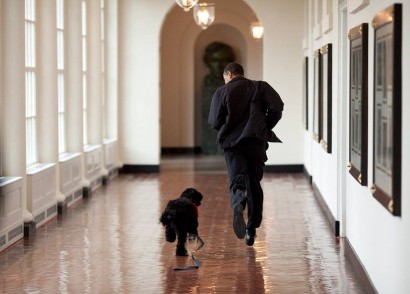
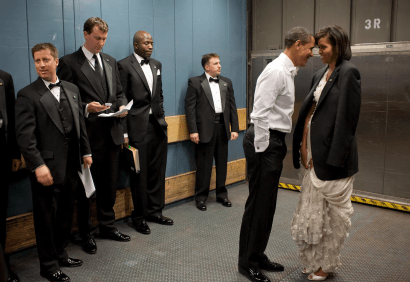
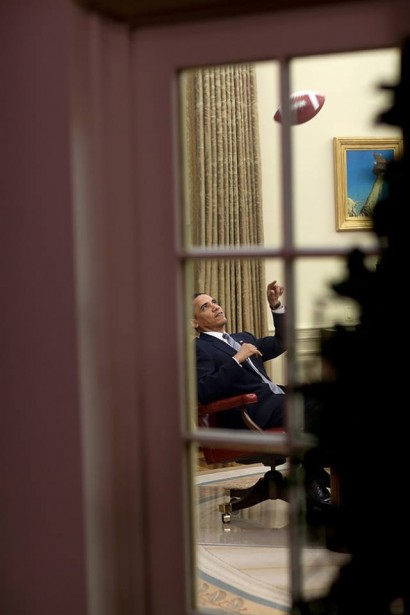
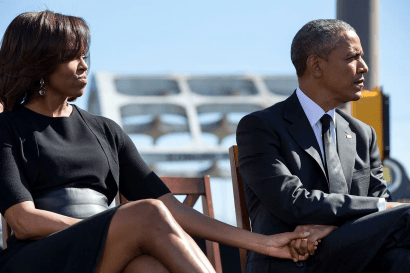
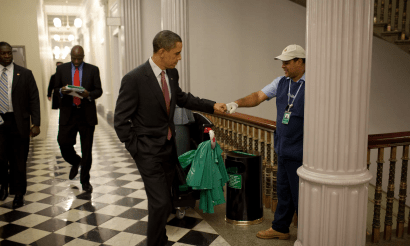
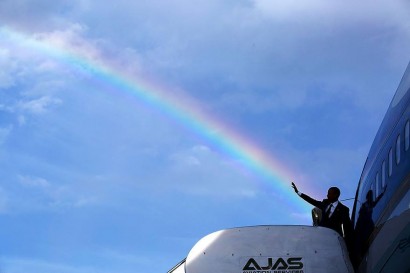
I love Pete Souza’s work so much, particularly because of the stories behind most photos. I love how the photo itself is intriguing, however his work always goes so much deeper – with most of the stories behind the photographs causing myself to like and respond to the picture even more. His photos are good on their own, however mean so much more once the background is explained.
Another reason I like his photography so much, is that the photos are often very simple, and you could have taken many of them on an iPhone. While many of them are not especially technical, Souza inspires me with the patience and timing with many of the photos. He often said how sometimes you just know when the right photo is going to happen.
I would love to create a project similar to Souza’s intimate portrait of Obama – candid photos that resonate to people even more once the stories behind them are told.
UPDATE: To read my further research into Pete Souza’s work, click here.
MY PROJECT:
Researching the craft and artists famous for street/candid photography has inspired me more with ideas that I could do for my own project. For example, looking at Pete Souza’s work inspired me to perhaps focus on one person, or a group of people. Spend some time with them in order to get candid shots – or perhaps build my project as a crossover of candid photography and documentary portraiture, much like he did with Obama.
Another idea that I have thought more about is inspired by the likes of Elliott Erwitt and Garry Winogrand. They appeared to get many of their shots from standing in one place for a long time, or from just walking around in public and having a keen eye for interesting subjects. I could use this an inspiration for my own project too – perhaps going to a busy place and just being patient. I think it would be interesting to look into one particular area or community, I could do that by using similar techniques to them.
To get similar results to those I researched, I think I will have to practice a lot until I am very comfortable with firstly, shooting in public, and secondly, shooting people and speaking to people I do not know.
Candid photography can be achieved in many ways, for example:
- when the subject is in motion
- by avoiding prior preparation of the subject
- by surprising the subject
- by not distracting the subject during the process of taking photos
I think in order to be successful in my own project if I am to commit to candid photography, I will have to practice these tips a lot and become comfortable doing such things in the public eye.
Tony Ray-Jones was another early street photographer. He listed the following shooting advice to himself in his personal journal:
- Be more aggressive
- Get more involved (talk to people)
- Stay with the subject matter (be patient)
- Take simpler pictures
- See if everything in background relates to subject matter
- Vary compositions and angles more
- Be more aware of composition
- Don’t take boring pictures
- Get in closer (use 50mm lens)
- Watch camera shake (shoot 250 sec or above)
- Don’t shoot too much
- Not all eye level
- No middle distance
I find these notes very interesting, and I think I will need to go out and try to photograph as much as possible to get comfortable with street photography.
MORE INSPIRATION:
In my research, I have also found some projects by photographers that have inspired me a lot.
Mimi Mollica is a photographer who started taking pictures of his daughter in various places. As he did more and more, he noticed that the photos became more about the strangers often in the photos – usually completely unaware the photo was being taken.
I really like this idea, and think that it’s a very different take on standard candid photography.
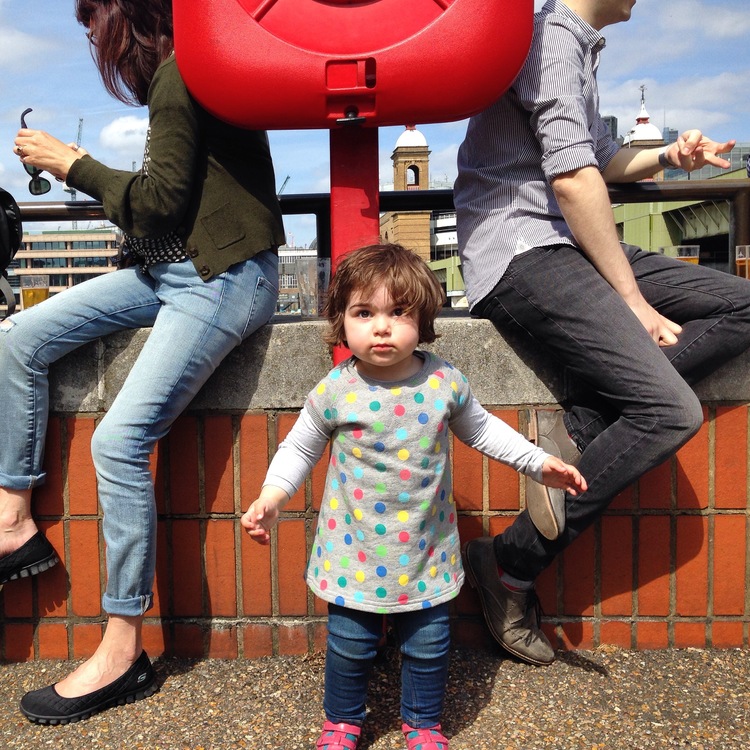
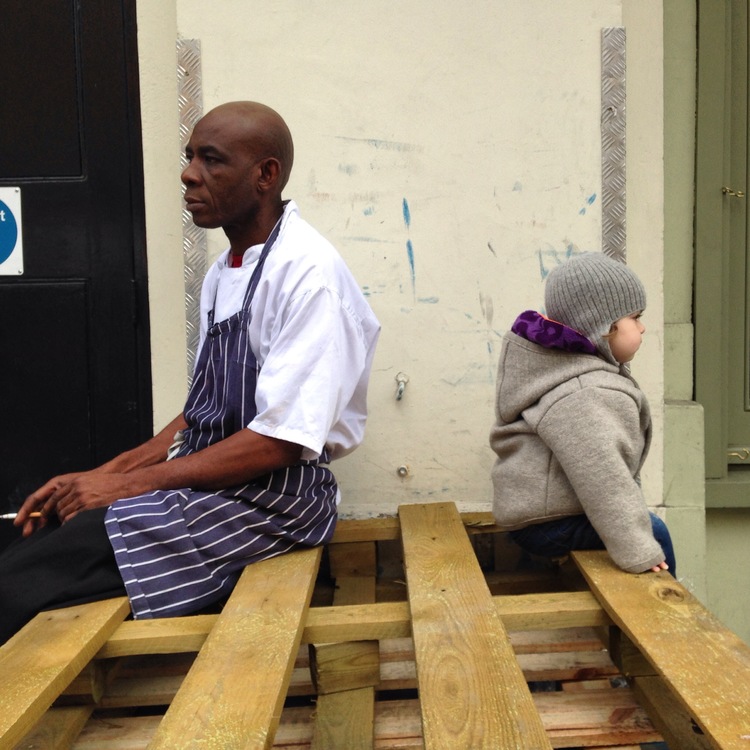
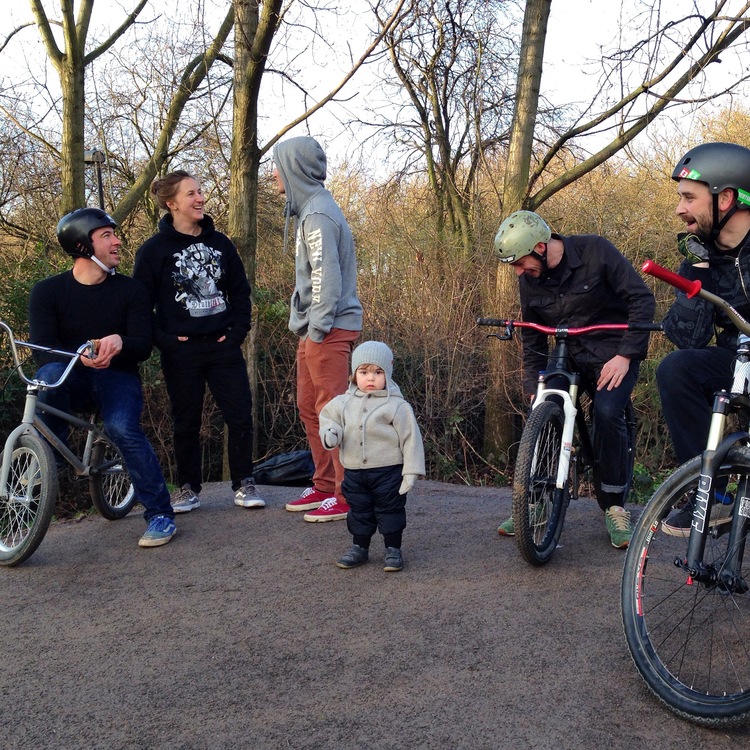
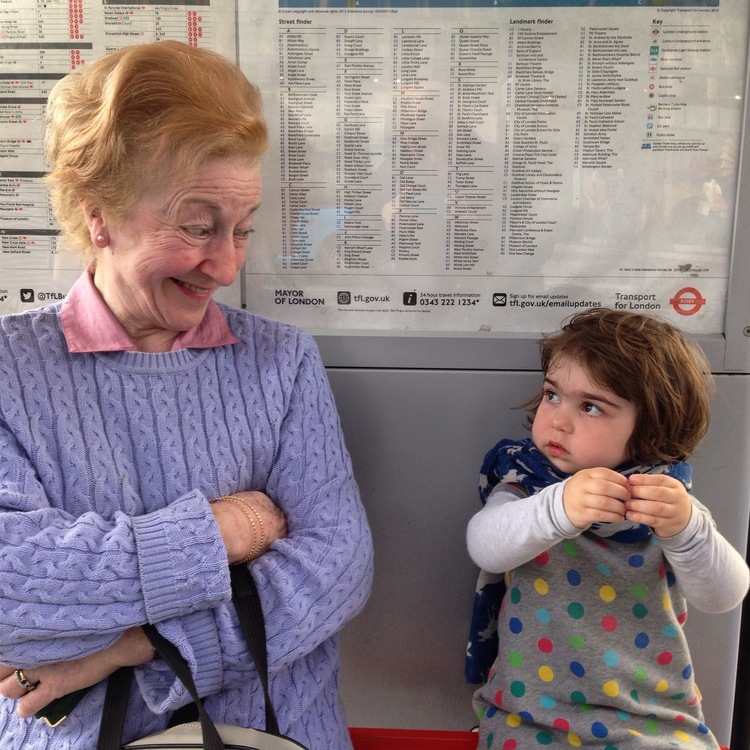
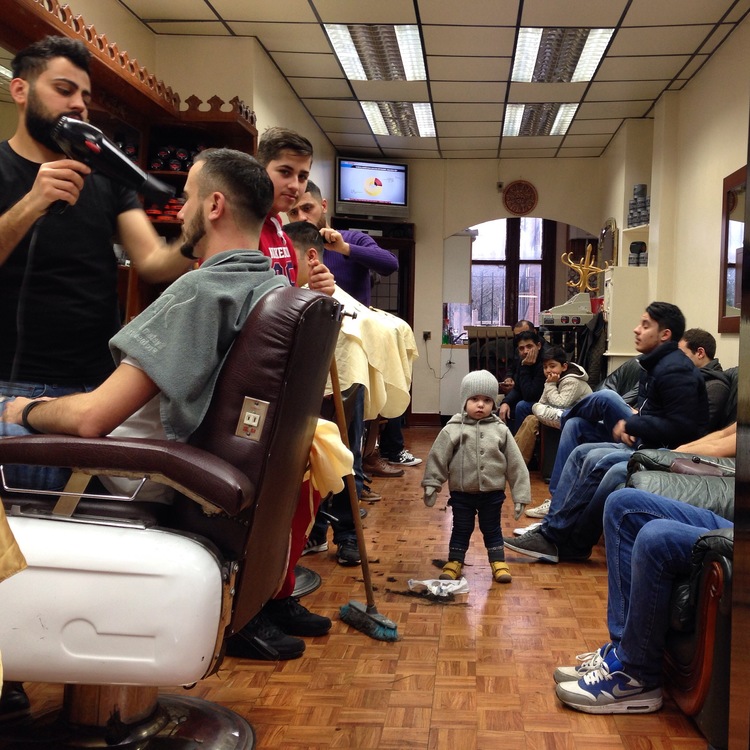
Upon researching street photography and candid photography, I have realised that I definitely want to include at least one similar photo in my project. I have found it very interesting and have particularly enjoyed looking at the work of famous photographers. I like how this genre of photography includes normal people interacting and living everyday life – normally relaxed and normally showing the true essence of an area or a group of people (due to it being candid).
I also like how there is a lot of room for experimentation and scope to use your imagination and creativity in street and candid photography. I think that doing this will mean going out and experimenting as much as possible until I am 100% confident with photographing in public and using my camera with people I don’t know.
I look forward to doing more research in this field and for the next few weeks at working out my project subject.
UPDATE:
I decided to research the work of Pete Souza further, to read that post click here.
I have also done some more research into documentary portraiture, to read that post click here.
 webbphoto
5 thoughts on “Street/Candid Photojournalism Research”